Getting Ahead of Ant Season in Orange County
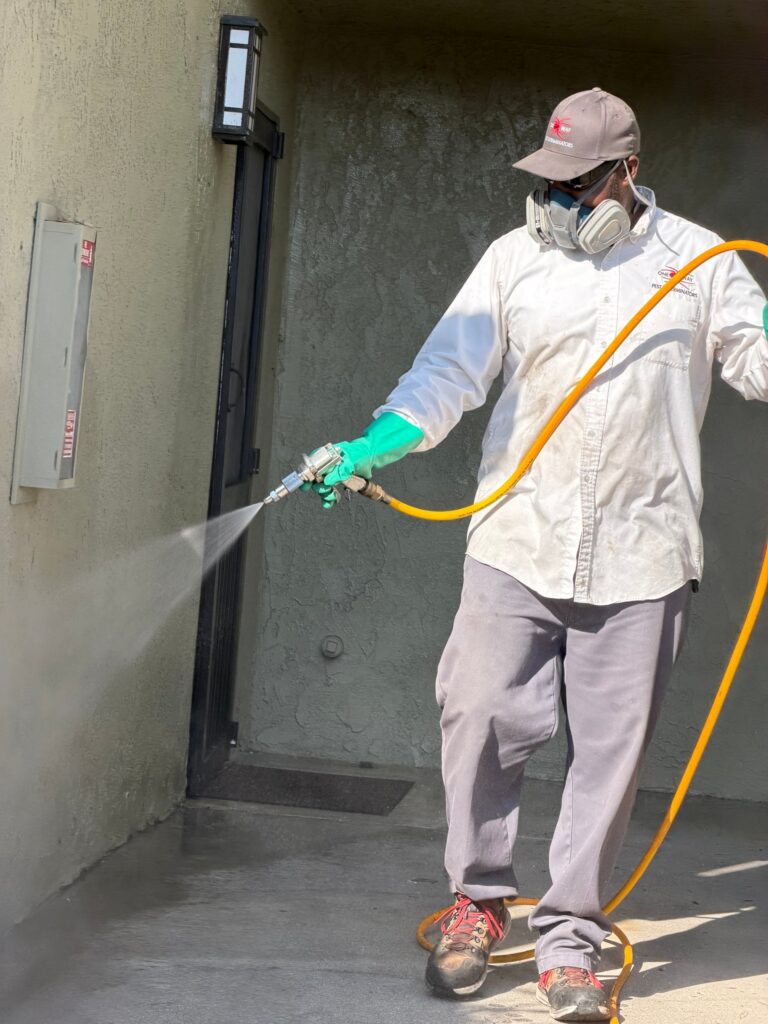
Many Orange County homeowners notice the same pattern. After a rainy spell, a thin line of ants shows up on the kitchen counter. When the weather warms, the trails get bigger. Getting ahead of ant season means understanding why they come in and what actually stops them.
Why ants push indoors after rain
Argentine ants are among the most common ants in Southern California homes. They live in large, connected colonies, and their nests are often shallow and close to the surface.
When heavy rain soaks the ground, ants look for drier shelter. Walls, crawl spaces, cabinets and attics fit the bill. They are also looking for food and water, and a home provides both.
Why activity picks up when it warms
As temperatures rise, colonies become more active and grow. More ants go out searching for sugary food, grease and moisture. A few trails along the patio in early spring can turn into a daily problem in the kitchen or bathroom a few weeks later.
Where ants get in
Ants only need a tiny gap. Common entry points include:
- Cracks along the foundation and stucco
- Gaps around door thresholds and weatherstripping
- Window frames and screens
- Openings where pipes, wires or cables enter the wall
- Branches, vines and shrubs that touch the house
Trails often follow a hard edge, such as a wall base, a pipe or a cable. If you can find where the line goes into the house, you have found a good clue for where to treat.
Why store-bought sprays can make it worse
Spray cans are made to kill the ants you can see. But the ants you see are only a small part of the colony. Most of them are in nests you cannot reach.
Many repellent sprays can also cause a colony to split up and spread into new areas. The visible trail may disappear for a few days, then return in another spot, or in several spots. Wiping away the scent trail is a good idea, but spraying alone rarely solves the problem.
What professional treatment looks like
Effective ant control goes after the colony, not just the trail. Two parts usually work together:
- Perimeter treatment. A treatment along the outside of the building, around the foundation, doors, windows and entry points, creates a barrier that ants must cross to get in.
- Baiting. Ants carry bait back to the nest and share it, which reaches ants that never leave the colony. This is why it is important to leave bait trails alone and not wipe them away.
A technician will also look for the type of ant, the likely nest areas and what is attracting them. Different ants behave differently, so the plan fits what is actually happening on your property. Our ant guide covers the common ants in Southern California.
Simple steps to prevent ants
A few habits make your home less attractive:
- Clean up food. Wipe counters, sweep crumbs and rinse sticky jars and sweetener containers. Store sugary foods and pet food in sealed containers.
- Fix water sources. Repair leaky faucets, drain pans and irrigation near the foundation. Ants look for moisture.
- Trim plants off walls. Keep branches, vines and shrubs from touching the house. They work like bridges.
- Seal small gaps. Caulk cracks around windows, doors and pipes when you spot them.
- Take out the trash. Keep trash cans closed and clean, inside and out.
When to call for help
If ants return after you have cleaned and sprayed, if you see trails every day, or if you find ants in several rooms, it is time to call. The sooner a colony is treated, the easier it is to bring under control.
Frequently Asked Questions
Why do ants come back after I spray?
Spray kills the ants it touches, but the colony keeps producing more. Some sprays also push ants to relocate, so the problem can pop up somewhere new.
Should I wipe away the ants and their trail?
Wiping the trail with soapy water removes the scent ants follow. But if a technician is using bait, leave the ants feeding on the bait alone so they can carry it back to the nest.
Do ants cause damage to the house?
Most common household ants are more of a nuisance than a danger to the structure. They can contaminate food and spread quickly, though, so they are worth dealing with early. Carpenter ants are a different case, because they nest in wood, so a technician should look at those.