Signs of Rats in Your Attic and How to Keep Them Out
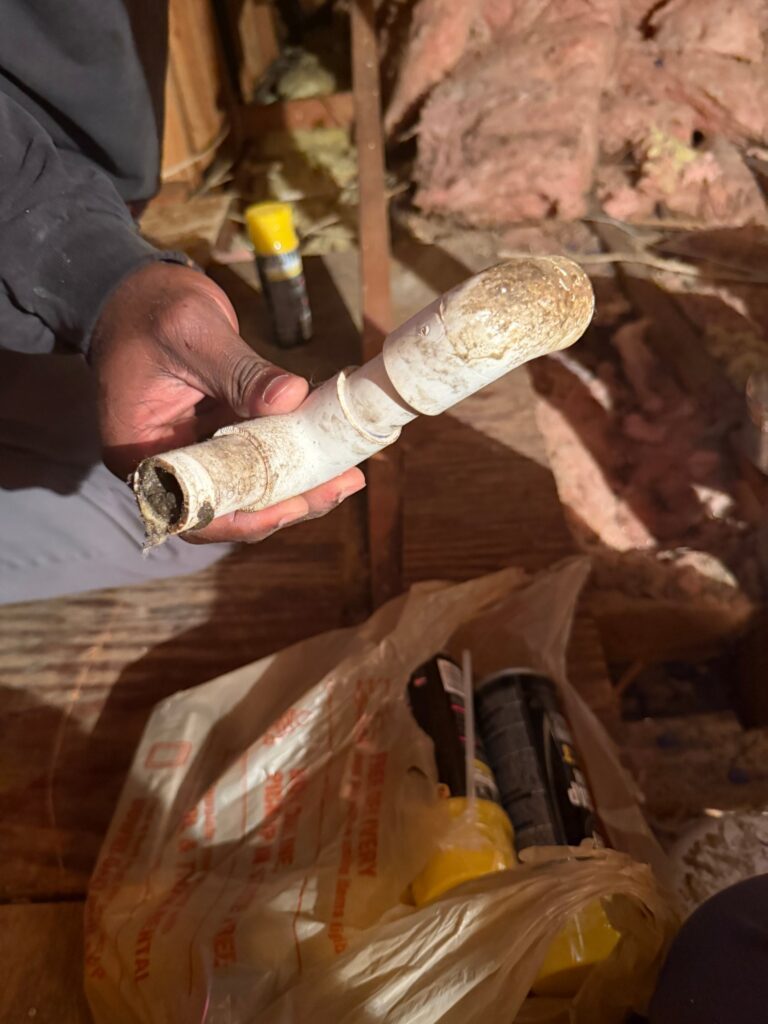
Roof rats are common in Southern California. They are good climbers, and they like to nest high, in attics, rafters and tree canopies. If you hear noises overhead at night, there is a good chance something is living above your ceiling.
Why roof rats move into attics
Attics are warm, quiet and protected, with plenty of insulation to nest in. Rats often reach the roof along tree branches, power lines, fences and walls. From there, they only need a small gap to get in.
Signs of rats in the attic
You may not see the rats themselves. Look and listen for these signs:
- Scratching and scurrying at night. Rats are most active after dark. Noises in the ceiling or walls, especially around dusk and dawn, are a common first sign.
- Droppings. Rat droppings are dark and spindle-shaped. You may find them along walls, near pipes and around stored boxes.
- Dark rub marks. Rats tend to run the same paths. Their oily fur leaves dark smudges on pipes, beams and the edges of openings.
- Gnawed wires and materials. Rats chew to keep their teeth short. Look for damaged wiring, pipes, boxes and insulation.
- Nesting in insulation. Flattened, shredded or tunneled insulation, and nests made of paper, fabric or plant material, point to a rat living there.
Why rats in the attic are a problem
Rats are more than a nuisance. Their droppings and urine can contaminate insulation, stored items and air ducts, and rats can carry germs that affect people and pets. Cleanup should be done carefully, with protective gear.
Gnawed wiring is another concern. Damaged insulation on electrical wires can create a fire risk. If you notice chewed wires, have them checked.
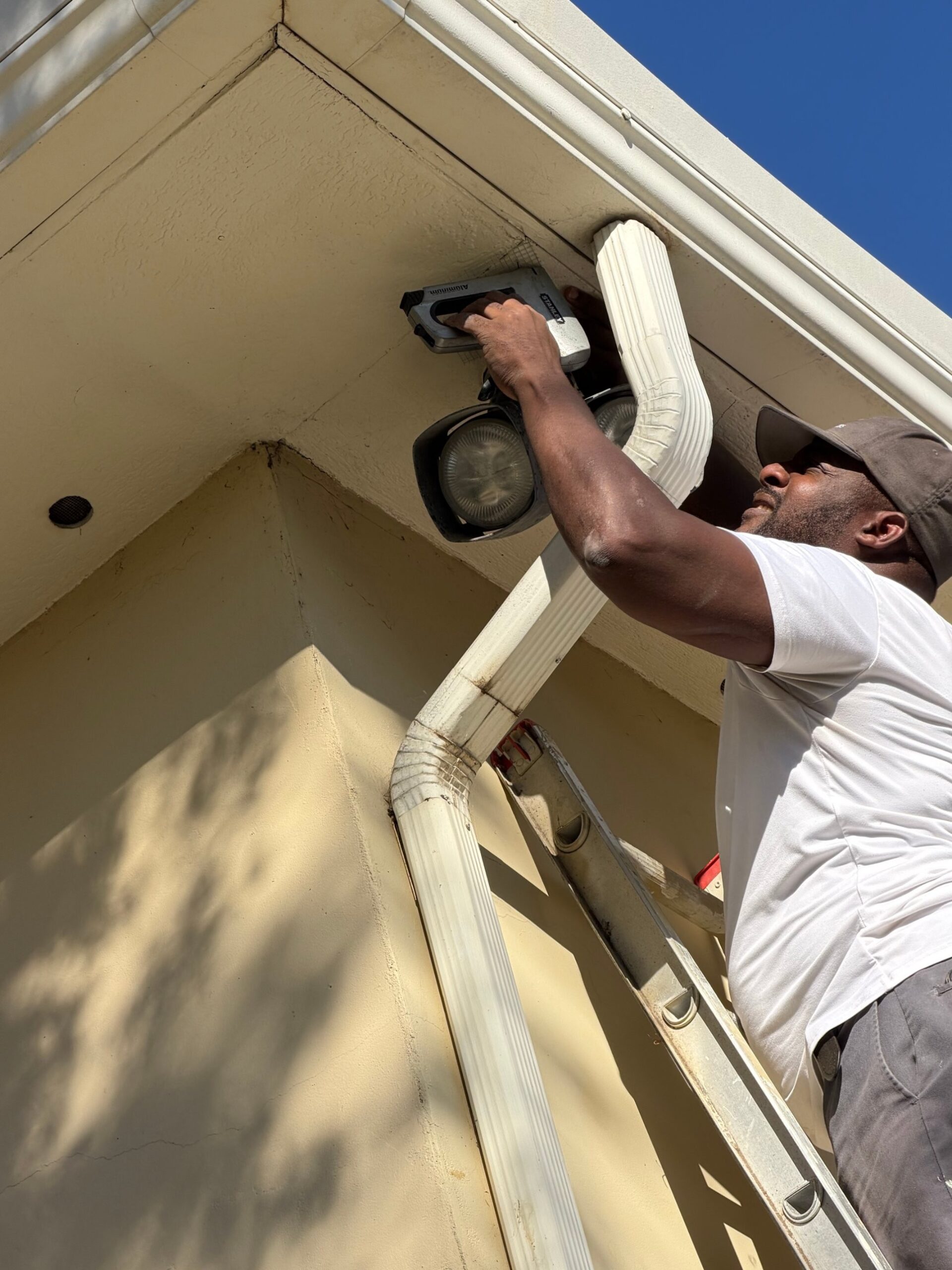
The right approach: trapping plus exclusion
Lasting results come from two steps that work together.
Trapping removes the rats that are already inside. A technician places traps along the paths rats use, which the rub marks and droppings help identify.
Exclusion closes the ways in. Rats can squeeze through surprisingly small openings, so a thorough inspection checks the full roofline and exterior. Typical work includes:
- Sealing gaps around pipes, wires and vents
- Screening attic vents, eaves and other openings with heavy-duty materials
- Repairing damaged fascia, soffits and roof edges
- Trimming branches that give rats a path to the roof
A complete rodent control and exclusion service combines both, so new rats cannot move in once the first ones are gone.
Why bait alone is not enough
Putting out bait can seem like the easy fix, but on its own it falls short. It does not close the openings, so new rats can keep coming. Rats that eat bait may also die inside walls or the attic, which can cause odors and attract flies. Trapping and sealing deal with the cause, not only the symptom.
For more on the damage, contamination and health risks rodents can cause, see our rodent guide.
What you can do now
- Trim tree branches so they stay several feet away from the roof.
- Store pet food and bird seed in sealed containers.
- Pick up fallen fruit and keep trash cans closed.
- Avoid handling droppings with bare hands. Wear gloves and a mask if you must clean.
- Call for an inspection when you notice the signs above.
Frequently Asked Questions
How can I tell rats from mice in the attic?
Rat droppings are larger than mouse droppings, and rats make heavier sounds. Roof rats also tend to leave visible rub marks along their routes. A technician can identify the species during an inspection.
Will the rats leave on their own?
Usually not. An attic offers food, warmth and shelter nearby, so rats stay as long as they can get in and out. Removing them and sealing the openings is what ends the problem.
Do I need to clean up after the rats are gone?
Often yes, especially when droppings and nesting material have built up in the insulation. Cleanup should be done with care, using protective gear, and a technician can tell you what the attic needs.